Site of the Month Teardowns
Each month Awwwards names one Site of the Month, and until November 2026 the FWA also named one FWA of the Month. This section tears down those winners month by month. Each report examines the concept, visual design, interaction and front-end build behind the award, with performance and asset data measured in a real browser.
- Reports
- 12
- Awwwards
- 10
- FWA
- 8
- Latest month
- 2026.10
Kode Sports Club
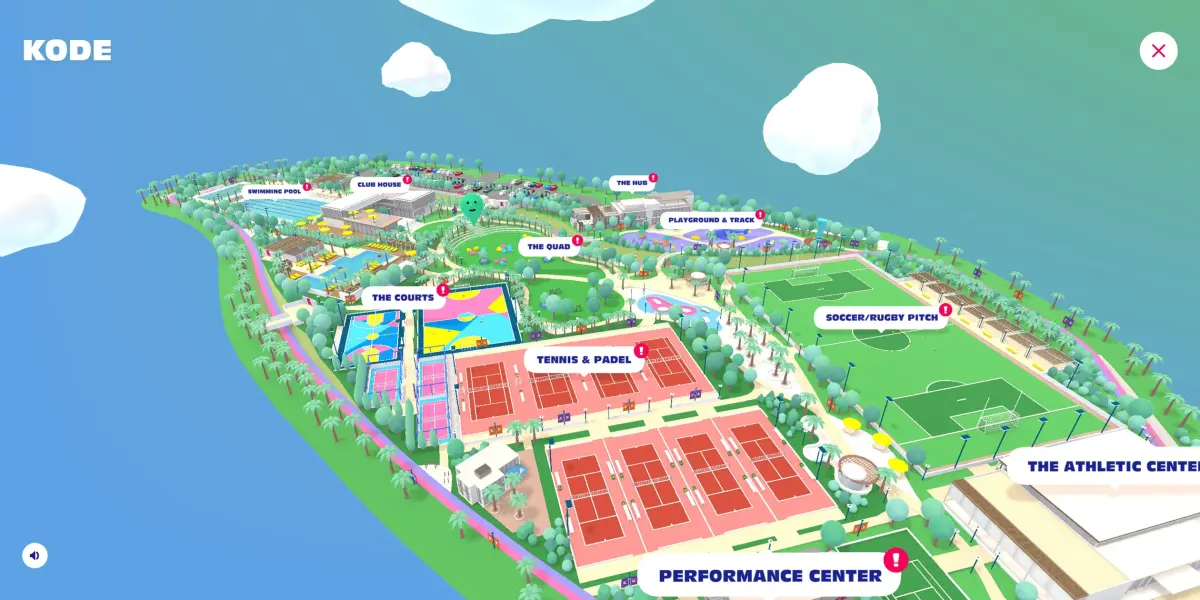
Kode Sports Club is a private sports club in New Cairo, and this site is its online tour. When the site was made, the club was still under construction and the pandemic had cancelled its launch event, so the club needed an online way to let people get to know it before it opened. The site rebuilds the whole club as a cartoon 3D island. Visitors move a customisable cartoon character around the island and chat with the staff at each venue. The venue introductions a brochure would usually carry thus become a visit people can play.
Santioni Spirits
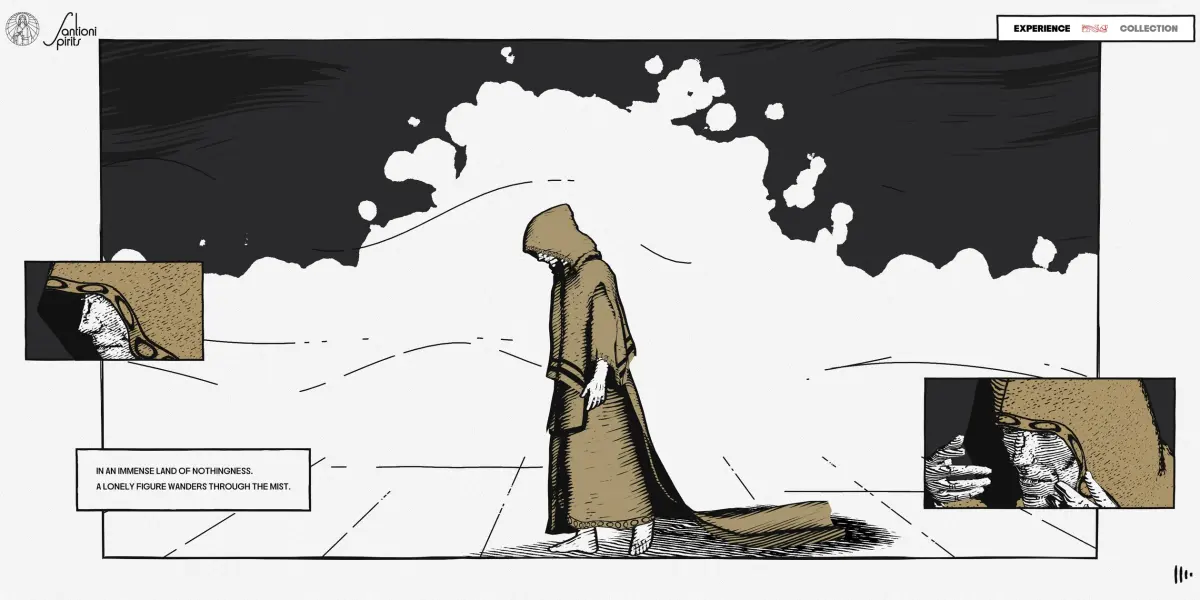
Santioni Spirits is the website of a new drinks brand. The brand's three creamy cocktails have no announced stockists yet, so visitors cannot buy them on the site. The site's job is to make people who have never heard of the brand remember it. The brand's slogan is Indulge Now, Atone Later, and the site takes that slogan as its theme, telling the story of a saint in a 3D comic that is read by scrolling. Visitors can pick a bottle for him, and that bottle's colour then appears throughout the rest of the story.

Immersive Garden
Immersive Garden is a Paris studio that builds experiential websites for brands such as Cartier and Louis Vuitton. Its new website, launched in December 2024, gathers a decade of client projects in one place and shows how each of them was made. The idea is to hang that work on a plaster wall that answers the visitor: wherever the cursor passes, reliefs of flowers, birds and leaves rise out of the wall, then sink back.
The Renaissance Edition
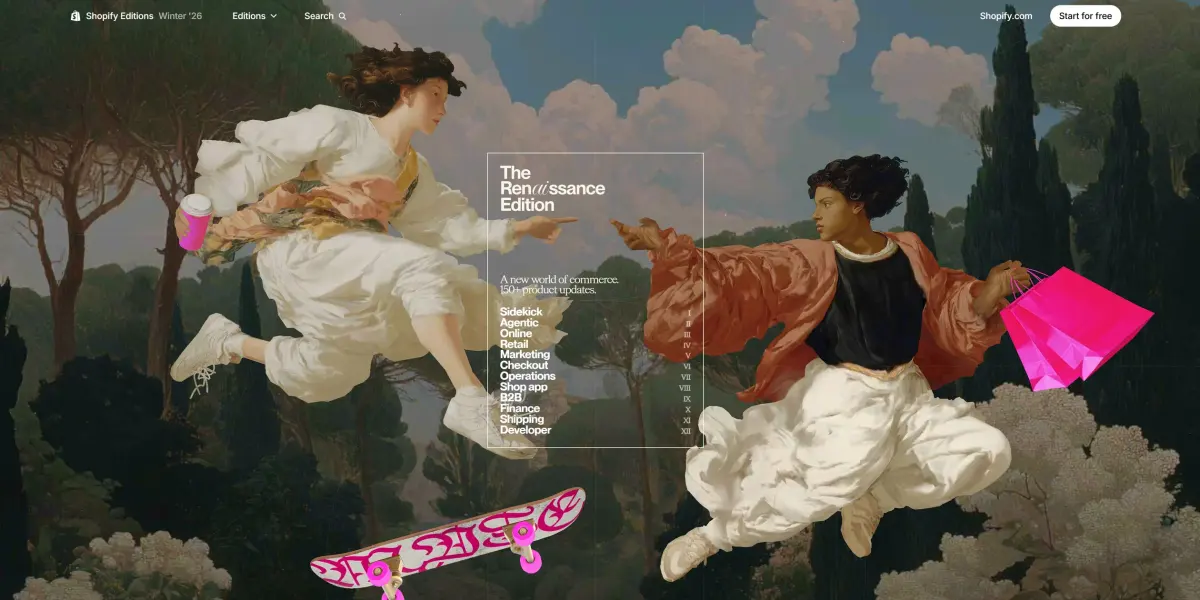
The Renaissance Edition is the site the commerce platform Shopify built for its Winter '26 product release. Every six months the company presents its product updates together, and this edition held 150-plus of them with AI as the theme. Shopify's design team wanted to turn that changelog into a gallery people scroll through, casting merchants as Renaissance masters holding AI tools. Every chapter except the last, which is drawn as a sketch, therefore opens on a moving 3D oil painting, where today's goods, such as sneakers and pink shopping bags, turn up in Renaissance scenes.
Oryzo AI
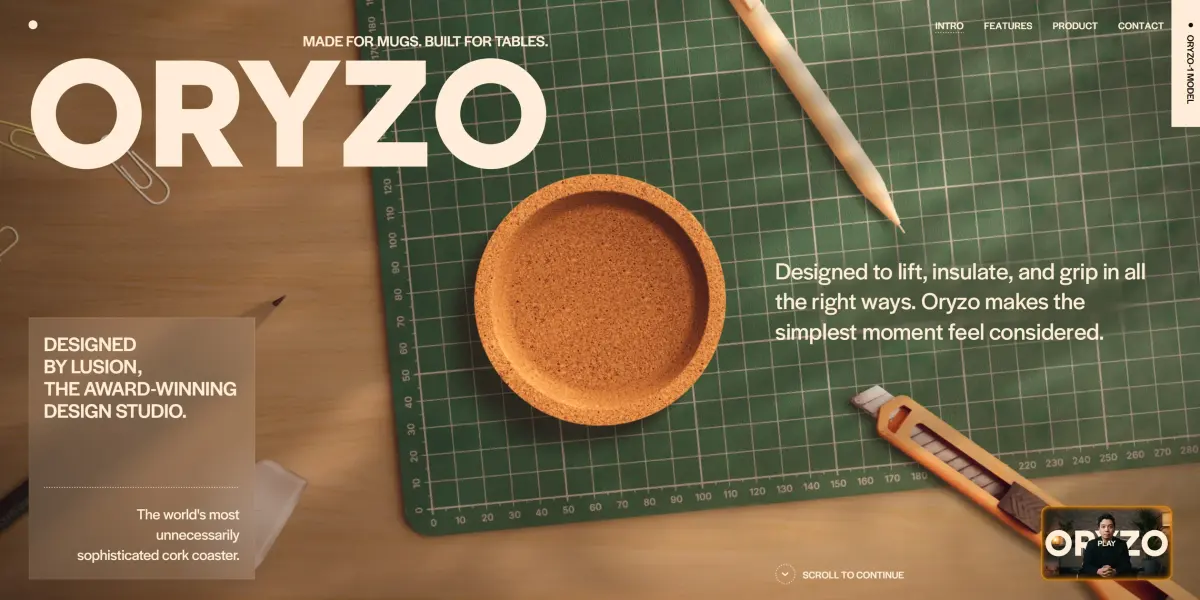
Oryzo AI is a launch site that the UK studio Lusion built for a cork coaster product that does not exist. Lusion wanted to try telling a physical product's story on the web but had no product to hand, so someone picked an IKEA coaster up off the desk. The team chose it precisely because it is so ordinary. The site presents this coaster as a premium tech product for the AI era, as earnestly as a keynote launch. The headline on the last screen states the purpose. Its second sentence reads, if we can sell a coaster, imagine what we can do for your brand.
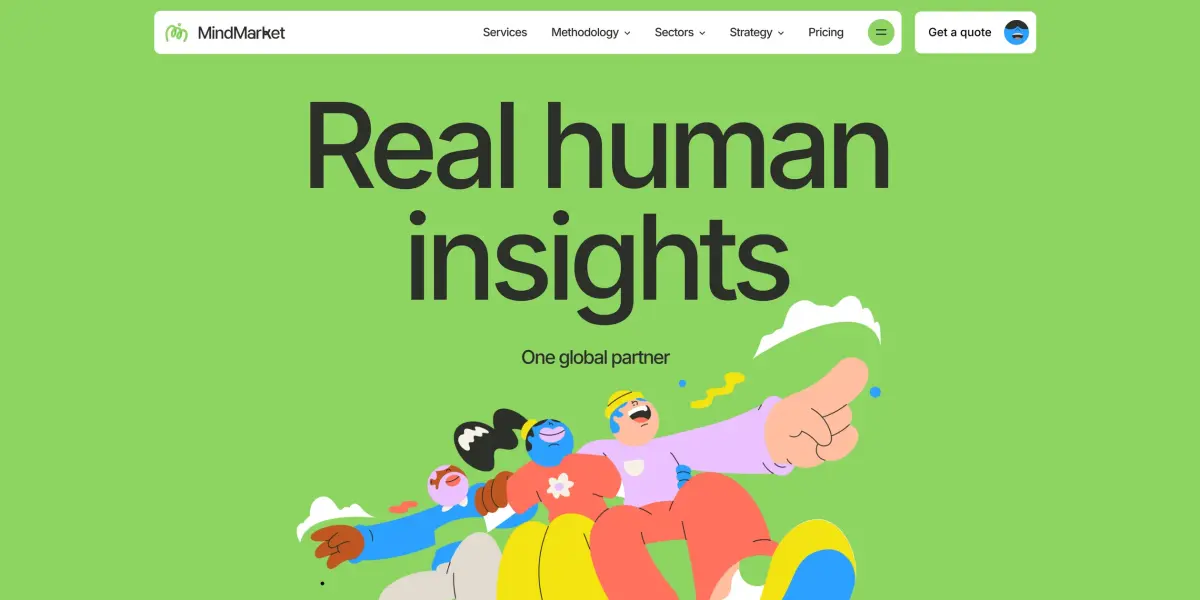
MindMarket
This is the website of MindMarket, an international qualitative research company. The company uses interviews and field observation to help businesses understand why real people think and act as they do. A service like this has no product to photograph. The team behind the site also believed that most research firms' sites speak the language of data, so it decided to have this site speak the language of people. The theme the team found is a thread, standing for the connection MindMarket builds between businesses and people. On the home page this green thread grows with the scroll and strings together the hand-drawn characters and a four-part introduction to the business, so the site reads like a picture book.
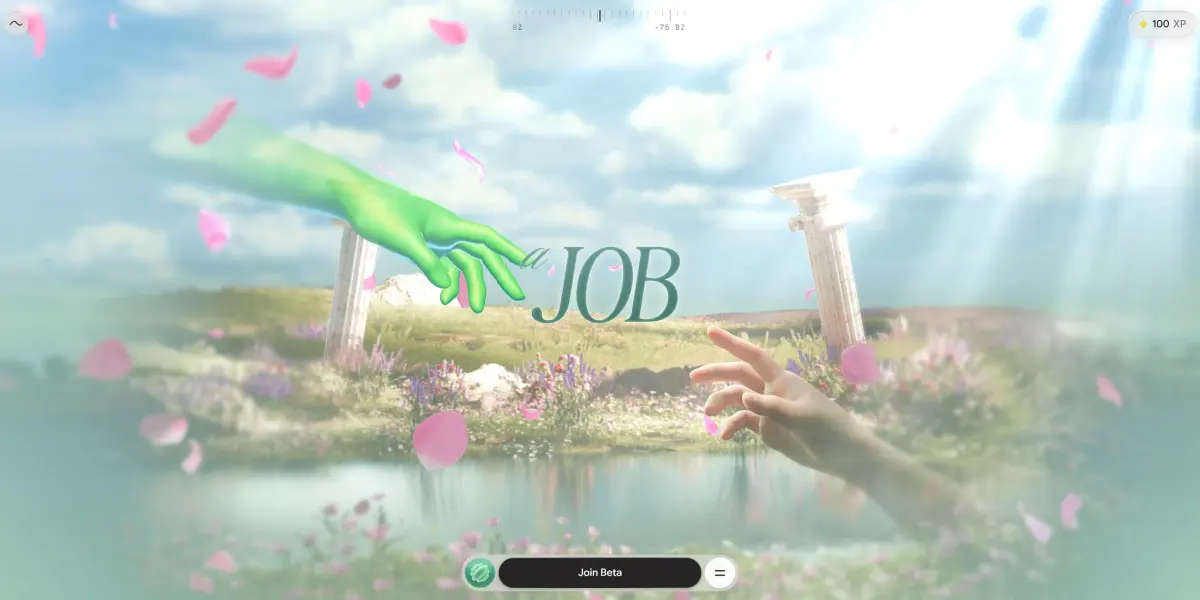
Why Zero
Why Zero is a manifesto site from the online education company Zero. Zero presents itself as an alternative to university. The site makes one argument only, about why a degree is no longer enough and why Zero has to exist. The team that made it wanted visitors to feel the argument and not just read it, so they turned the argument into a story that counts down to zero. Visitors have to draw a zero before the site lets them in, and the story's two turns only happen when they hold down a button themselves.
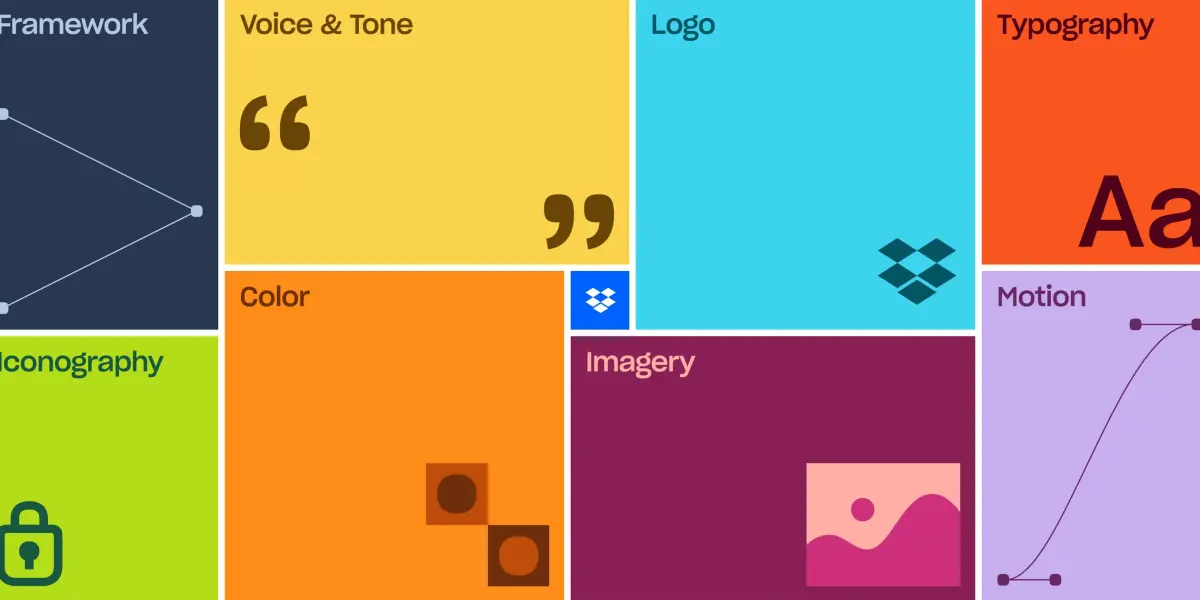
Dropbox Brand
Dropbox Brand is the brand guidelines site of the cloud storage company Dropbox. Dropbox had just refreshed its brand, and the old guidelines site was dense, hard to update and rarely opened. The new site is written mainly for Dropbox's partners and agencies, so it has to draw people in and still work as a reference. The team behind the site therefore turned the rulebook into a hands-on playground, with a table of contents that works like a toy box. Visitors can try the rules out by hand as they read, for example by stretching the typeface wider and bolder.
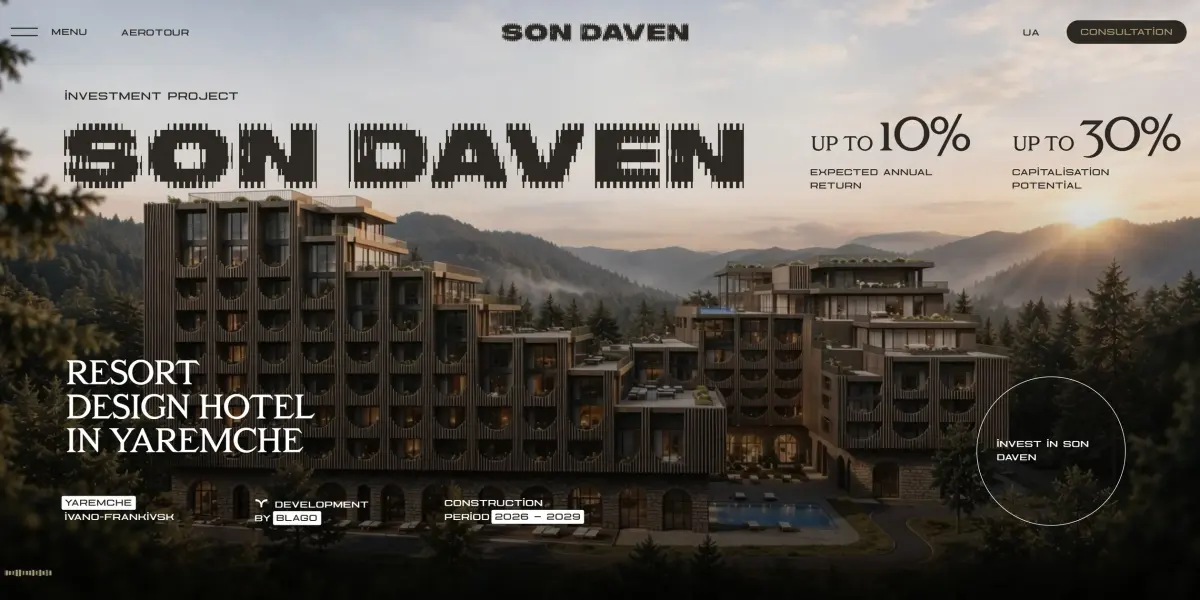
Son Daven
Son Daven is the website for a resort hotel that the Ukrainian developer blago is building in the Carpathians, and its real job is to persuade investors to buy apartments in the building before it is finished. For now the building exists only as renders, and alongside them the team behind the site wrote it a story. In that story, the Carpathians are a main character who is dreaming. The site slices footage of mountains, sheep and birds into sand-coloured and dark brown bars, so its pictures look like a moving print. The sections on returns and floor plans further down the home page sit inside this print world as well.
Anime.js
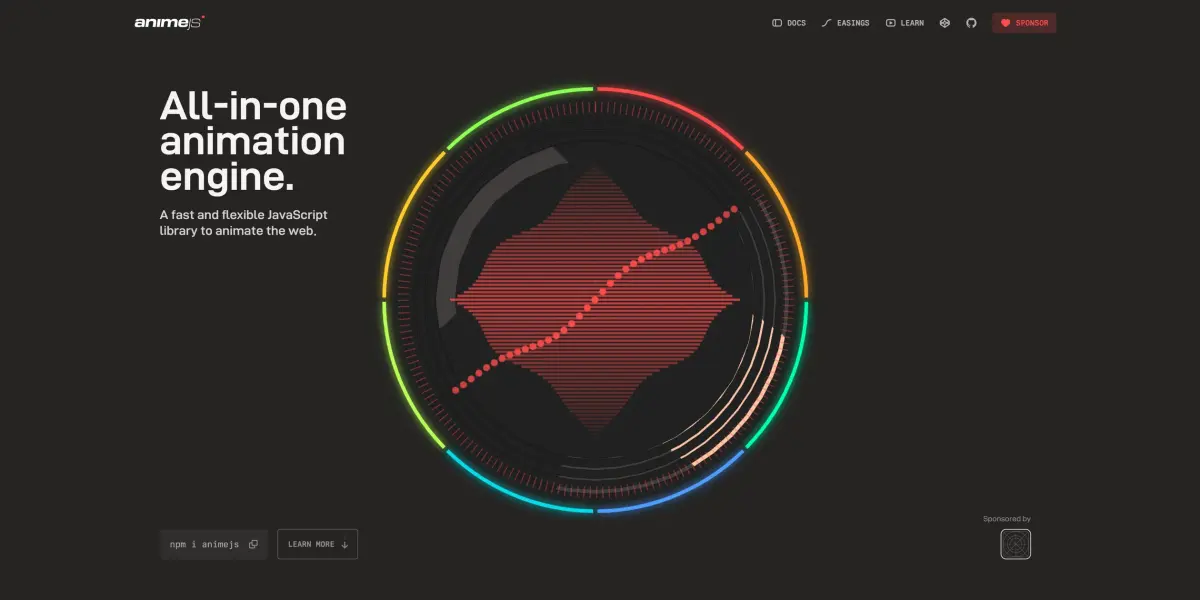
This is the official site of Anime.js, a JavaScript animation library, designed and built by the library's author, Julian Garnier. The library is free and open source and lives on sponsorship. In April 2025 the author released version 4, five years in the making, together with this site. The site had to show developers what the new version can do. The author's answer was to hand the whole site to Anime.js, which runs the intro, the 3D engine, the demos and the scroll. The 3D engine at the centre of the homepage has parts named after the library's modules that come apart and back together as the visitor scrolls, so each chapter demonstrates a feature by using it.